

Our not‑so‑lonely planet invites travelers to explore free public education hubs, easy travel routes, and family‑friendly adventures. While raising children can be complex, shared experiences along rivers near the German‑Belgian border unite communities, fostering global understanding. for all ages world!
Overview of Global Travel Trends
Recent data shows a surge in experiential travel, with travelers prioritizing cultural immersion over traditional sightseeing. Digital nomads now form communities around co‑working hubs in cities like Berlin, Barcelona, and Singapore, where free public education resources and easy transport links encourage spontaneous exploration. Families increasingly seek destinations that blend safety, affordability, and educational opportunities for children, leading to a rise in multi‑generational itineraries that include interactive museums, science centers, and heritage trails. Meanwhile, the rise of sustainable tourism has shifted focus toward low‑impact activities such as cycling routes along river corridors, like the scenic paths near the German‑Belgian border, and eco‑lodges that use renewable energy. Social media platforms amplify these trends, with influencers showcasing off‑the‑beaten routes that highlight local customs and community‑run accommodations. In response, governments are investing in infrastructure that supports both high‑volume tourism and niche experiences, ensuring that even remote regions become accessible without compromising their ecological integrity. The net result is a more interconnected world where travel is seen as a shared, responsible adventure rather than a solitary pursuit.
Emerging destinations such as the Pacific Rim islands, the Arctic tundra, and the Amazon basin are drawing eco‑tourists who prioritize conservation, cultural exchange, and low‑carbon footprints, making travel a collective stewardship effort now.

Cultural Etiquette and Local Customs
When traveling across the globe, understanding cultural etiquette is essential to foster respectful interactions. In many European communities, for instance, greetings often involve a handshake or a light kiss on the cheek, depending on regional norms. Visitors should observe local customs such as removing shoes before entering homes or temples, a practice common in parts of Germany, Belgium, and neighboring countries. Paying attention to these small gestures signals respect and can ease social friction, especially during family gatherings or educational tours where children are present.
In Asia, punctuality is highly valued; arriving on time for meetings or temple visits demonstrates professionalism and courtesy. Additionally, when dining, it is customary to wait for the host to begin eating before starting your own meal, and to use both hands when passing dishes. In many Middle Eastern cultures, offering tea or coffee to guests is a sign of hospitality; refusing such an invitation may be perceived as impolite. Travelers should also be mindful of dress codes, particularly in religious sites where modest attire is required to honor local traditions.
Digital etiquette also plays a growing role in modern travel. Respecting privacy by asking permission before photographing people, especially in rural or indigenous communities, acknowledges cultural sensitivities. In educational settings, engaging with local teachers and students can enrich the experience, as shared learning fosters mutual understanding. By embracing these customs, travelers contribute to a more inclusive and interconnected world, turning every journey into a shared celebration of humanity.
Embracing eco‑friendly habits transforms every trip into a stewardship mission. Begin by selecting low‑emission transport: trains, car‑pooling, or electric vehicles reduce carbon footprints compared to solo flights. When flying, offset emissions through certified programs that fund renewable projects or reforestation. Choose accommodations that prioritize sustainability—look for certifications such as Green Key, LEED, or local eco‑labels, and support hotels that recycle, use renewable energy, and source local produce. These practices protect the environment and enrich cultural interactions, creating moments.
Pack light and choose reusable items to minimize waste. Carry a refillable water bottle, reusable utensils, and a collapsible tote bag. Participate in tourism activities that educate visitors about conservation, such as guided wildlife walks or beach clean‑ups. By making choices, you contribute to a healthier planet and leave a legacy for travelers.
Use public transport whenever possible to reduce individual carbon footprints. Opt for trains, buses, or shared rides instead of private cars. Respect local customs by learning basic greetings and following dress codes in sacred sites. By making choices, you contribute to a healthier planet and leave a legacy for travelers. Embracing these habits makes you part of a movement that values people and planet, ensuring future travelers can enjoy wonders. Enjoy.
Transportation Options Worldwide
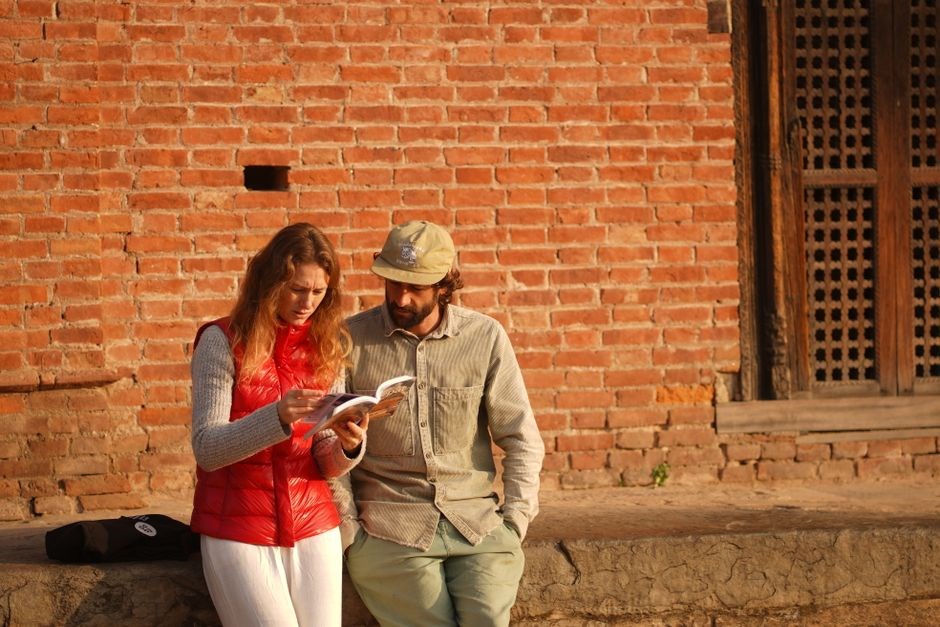
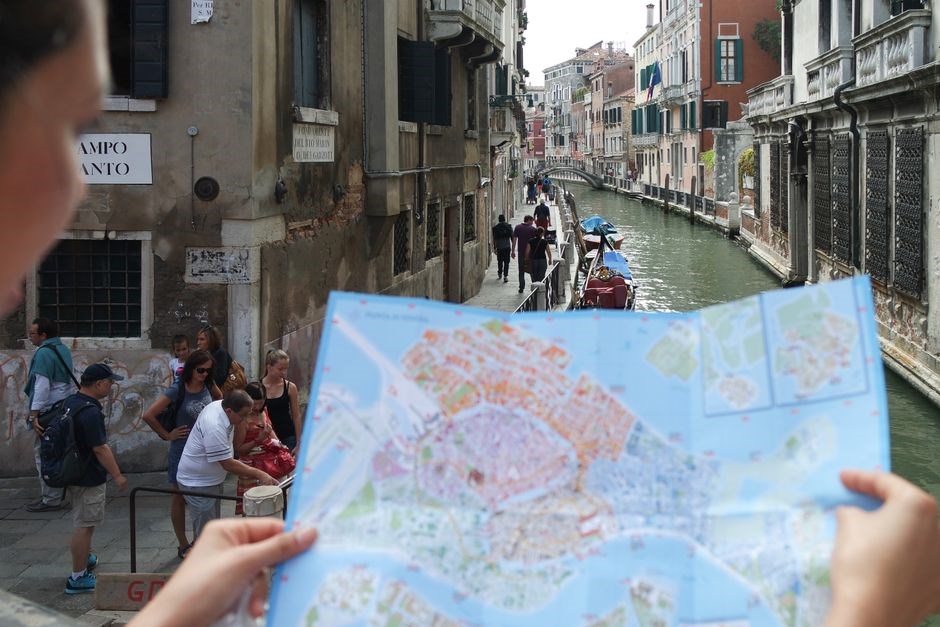
Our not‑so‑lonely planet offers a tapestry of transportation modes that connect cultures, landscapes, and communities. In Asia, bullet trains whisk passengers across vast distances in a fraction of the time it would take by road, while river barges in Southeast Asia provide a slower, scenic alternative that supports local economies. In South America, the Andes invite hikers to use cable cars and mountain railways, whereas the Amazon basin relies on river ferries and eco‑friendly boats that minimize ecological footprints. Africa’s expanding rail projects, such as the Standard Gauge Railway in Kenya, aim to reduce road congestion and fuel consumption. On islands, ferries and small aircraft connect remote destinations, and many archipelagos now offer bicycle‑friendly routes for short hops. For those seeking adventure, off‑road vehicles and guided jeep tours open up deserts, while snow‑capable vehicles and sleds traverse polar regions. Each mode carries its own cultural imprint: the rhythmic clatter of a London Underground tube, the gentle sway of a gondola in Venice, or the communal chatter aboard a Kenyan safari bus. Travelers are encouraged to research local transport regulations, purchase multi‑day passes, and respect traffic norms to ensure safety and smooth journeys. By selecting the right combination of trains, buses, ferries, bicycles, and shared rides, visitors can navigate the globe efficiently while minimizing environmental impact and embracing the spirit of community travel. Vibrant cityscapes, countryside, and new markets all offer daily, transit tales.!

Health and Safety Essentials
Before embarking on any journey, travelers should prioritize health and safety by gathering reliable information, preparing a well‑structured travel kit, and staying informed about local conditions.
A comprehensive kit typically includes a first‑aid pouch, a reusable water bottle, a multi‑purpose mask, and a compact hand sanitizer.
Travelers are encouraged to obtain travel insurance that covers medical evacuation, especially when visiting remote or high‑altitude destinations.
Vaccination records should be up to date, and travelers should consult a health professional for region‑specific advice.
In addition, staying hydrated and using sunscreen with SPF 30 or higher can protect against dehydration and sunburn, particularly in tropical or high‑altitude environments.
When navigating unfamiliar cities, it is wise to use reputable transportation services, avoid unlicensed taxis, and keep a digital copy of emergency contacts.
Local emergency numbers vary; for example, 112 is the European emergency number, while 911 is used in the United States and Canada.
Travelers should also register with their embassy or consulate upon arrival to receive timely alerts.
Finally practicing basic hygiene—washing hands frequently, avoiding tap water in certain regions using bottled water—reduces the risk of foodborne illnesses.
By combining preparedness, local knowledge, and responsible behavior, travelers can safeguard their well‑being and enjoy a smoother, more secure adventure.

Budgeting and Currency Management
Planning a trip on a budget requires a clear strategy for managing funds across multiple currencies, exchange rates, and local spending habits. The first step is to set a realistic overall budget that includes airfare, accommodation, meals, transportation, activities, and a contingency reserve. Once the total budget is defined, break it into daily or weekly allocations, and identify the largest expense categories.
Currency conversion is a critical factor. Travelers should research the current exchange rate for the destination currency and compare it with rates offered by banks, credit card issuers, and currency exchange kiosks. Using a credit card with no foreign‑transaction fees can reduce costs, but it is wise to carry a small amount of local cash for immediate expenses such as public transport or tips.
To avoid hidden charges, always read the fine print on travel insurance, hotel policies, and tour operators. Some hotels charge a daily resort fee or a “service” fee that can add up quickly. When booking flights, look for flexible tickets that allow changes or cancellations without hefty penalties, and consider bundling flights with hotels to lock in a lower rate.
Smart budgeting involves monitoring spending in real time. Mobile apps that track expenses in multiple currencies alert travelers when they exceed a set threshold. Setting daily limits for meals, souvenirs, and entertainment keeps the overall budget on track and save Keep all receipts; they help with tax returns, travel insurance claims, and budget tracking. daily!.
Finally, plan for emergencies and keep an emergency fund

Accommodation Types and Booking Tips
Choosing the right place to stay can transform a journey. From budget hostels that foster social interaction to boutique hotels offering local charm, each option caters to different priorities. Hostels provide communal dorms, free Wi‑Fi, and often kitchen access, making them ideal for travelers who value interaction. Boutique hotels blend personalized service with regional design, offering a more intimate experience while remaining affordable for many.
Vacation rentals such as apartments or villas give families and groups the flexibility of a kitchen and laundry. They often come with a local host who can share insider tips. For those seeking a unique stay, consider eco‑lodges or tree‑house accommodations that emphasize sustainability and immersion in nature.
When booking, compare platforms like Booking.com, Airbnb, and local tourism sites. Look for free cancellation policies, especially during uncertain times. Read recent reviews for insights on cleanliness, safety, and staff friendliness. Pay attention to the total cost, including cleaning fees, service charges, and local taxes, which can significantly increase the final price.
Early booking often secures better rates, but last‑minute deals can also be advantageous. Use price‑tracking tools to monitor fluctuations and set alerts. For extended stays, negotiate a discount directly with the host or property manager. Always verify the address and confirm that the property meets your accessibility needs.
Finally, consider travel insurance that covers accommodation changes. This protects against sudden cancellations or unforeseen events. By combining thorough research, smart comparison, and flexible planning, you can secure a stay that aligns with your budget and comfort level.
Joining loyalty programs of major hotel chains can yield free nights, upgrades, and exclusive discounts. Even if you rarely stay in the same chain, accumulating points can provide flexibility for future trips. Many platforms allow you to transfer points between programs, maximizing value. Additionally, some credit cards offer a sign‑up bonus that can be redeemed for free stays; Always review the terms to ensure you meet the minimum spend requirements and understand the expiration policy.
In some regions, short‑term rentals are subject to strict regulations. Verify that the property is licensed and that the host has obtained necessary permits. This not only ensures compliance but also protects you from potential legal disputes or sudden cancellations.
Check the safety rating of the neighborhood using online maps and local forums. Look for 24‑hour security, secure keyless entry, and proximity to emergency services. A well‑reviewed property often includes a detailed description of safety features, which is essential for peace of mind.
Food and Culinary Experiences
In our not‑so‑lonely planet, culinary adventures are as diverse as the landscapes. From bustling street stalls that line rivers near the German‑Belgian border to quiet mountain huts offering hearty stews, each bite tells a story. Travelers can start their day with a fresh croissant in a Parisian café, then hop on a train to a small village where a local baker still uses a stone‑ground mill. The aroma of freshly baked bread invites conversation with neighbors, turning a simple meal into a cultural exchange.
Seasonal markets are a treasure trove of local produce. In spring, farmers bring tomatoes, herbs, and strawberries; in autumn, pumpkins, chestnuts, and apples fill stalls. Many markets host cooking demonstrations, allowing visitors to learn how to prepare regional specialties such as German sauerbraten or Belgian mussels. These hands‑on experiences deepen appreciation for ingredients sourced directly from farms.
Food tours are a popular way to sample diverse dishes while gaining historical context. A guided walk through a historic district might include stops at a centuries‑old bakery, a modern fusion bistro, and a hidden speakeasy serving craft cocktails. Each stop offers a narrative about the area’s culinary evolution, linking past and present.
For those with dietary restrictions, many cities now offer vegan, gluten‑free menus. Apps that list such options can help travelers navigate restaurants confidently. Local food festivals celebrate regional specialties, providing a chance to taste dishes in one evening and more.
Remember to respect local dining etiquette. In many cultures, it is customary to wait for the host to begin eating before you start. Tasting a small portion of every dish is often encouraged, as it shows respect and curiosity. By engaging with local chefs and patrons, travelers can discover hidden gems that are not listed in guidebooks.
Finally, consider cooking classes that teach traditional techniques. Whether it’s mastering the art of pasta in Italy or learning to make sushi in Japan, these classes offer hands‑on learning and a deeper connection to the culture. The knowledge gained can be shared with friends back home, extending the travel experience beyond the trip itself.
Family-Friendly Destinations
Our not‑so‑lonely planet offers a spectrum of family‑friendly destinations that blend adventure, education, and panoramic sunsets. Coastal towns with safe, shallow beaches invite children to build sandcastles while parents enjoy panoramic sunsets. Inland, national parks provide guided nature walks where kids learn about local flora and fauna through interactive exhibits and wildlife spotting sessions. Many parks feature playgrounds designed with inclusive equipment, ensuring accessibility for children with diverse needs.
Urban centers showcase museums tailored for younger audiences, offering hands‑on science labs, art workshops, and that transform learning into play. City tours on electric trams allow families to explore historic districts at a leisurely pace, with stops at parks, cafés, and cultural landmarks. In regions where traditional crafts thrive, family‑friendly workshops teach pottery, weaving, or cooking, allowing parents and children to create lasting memories together.
Accommodation options cater to families with spacious suites, kitchenette access, and child‑proof rooms. Many resorts offer supervised kids’ clubs, family‑friendly dining menus, and entertainment programs that keep younger guests engaged while adults unwind. For those seeking a quieter retreat, rural guesthouses provide farm‑stay experiences where children can interact with livestock, learn sustainable farming practices, and participate in seasonal activities like berry picking or hayrides.
Safety is paramount; check local advisories and keep emergency contacts

Adventure and Outdoor Activities
Adventure seekers find a tapestry of outdoor thrills across our not‑so‑lonely planet. In the highlands, guided rock‑climbing routes cater to beginners and seasoned alpinists alike; local instructors emphasize safety gear, weather checks, and environmental stewardship. River rafting adventures on crystal‑clear tributaries offer adrenaline‑filled descents while crew members educate paddlers on aquatic ecosystems and conservation practices. Mountain biking trails wind through ancient forests, with sections featuring technical jumps, switchbacks, and panoramic viewpoints that reward riders with sweeping vistas of rolling valleys. For those craving a more tranquil pace, hiking circuits traverse wetlands, limestone karsts, and terraced rice paddies, providing opportunities to spot endemic bird species and learn about traditional agricultural techniques. Zip‑lining courses, perched above canopy layers, deliver heart‑pounding drops and a unique perspective on forest biodiversity. In coastal zones, kayaking expeditions navigate tidal flats, enabling participants to observe marine life, shellfish beds, and migratory patterns. Skydiving hotspots offer breathtaking aerial views of coastlines, mountain ranges, and cultural landmarks, while paragliding enthusiasts launch from elevated ridges to glide over valleys and rivers. All activities are supported by certified guides who prioritize safety, local culture, and minimal environmental impact. Whether you’re scaling cliffs, paddling downstream, or soaring above landscapes, the planet’s adventure offerings promise unforgettable

Historical and Cultural Sites
Our not‑so‑lonely planet offers a mosaic of historic landmarks that echo the journeys of past peoples. In the heart of Europe, the medieval fortress of B 265 stands as a testament to centuries of defense, its stone walls echoing the footsteps of knights and merchants who once traversed the German‑Belgian border. Nearby, the ancient river corridor hosts ruins of an 18th‑century trading post, where traders exchanged spices, textiles, and stories, creating a vibrant cultural tapestry that continues to influence local customs. Across the continent, the UNESCO‑listed cathedral in the city of Hüllscheid showcases Gothic architecture, with soaring arches and stained‑glass windows that narrate biblical tales and local legends. The cathedral’s adjacent museum houses artifacts from the region’s early settlers, including pottery, tools, and illuminated manuscripts, offering insight into daily life and artistic expression. In the southern reaches, the hilltop village of Berterath preserves a network of stone‑walled farms and a centuries‑old chapel, where community gatherings and seasonal festivals celebrate agricultural heritage and regional folklore. The chapel’s frescoes depict scenes of harvest, harvest, and harvest, reflecting the symbiotic relationship between people and land. Travelers can also explore the ancient Roman aqueduct that once supplied water to a bustling settlement, now a protected archaeological site that reveals the engineering prowess of antiquity. Finally, the coastal town of Our hosts a maritime museum that chronicles the evolution of fishing techniques, shipbuilding, and maritime trade, illustrating how the sea shaped the cultural identity of its inhabitants. Each site invites visitors to step into the past, learn from the stories etched into stone, and appreciate the enduring legacy of human resilience and creativity. The region also boasts a network of traditional festivals that bring together artisans, musicians, and storytellers, preserving oral histories and crafts passed down through generations. Visitors can witness the intricate weaving of silk tapestries in the northern workshops, the hand‑carved wooden masks used in folk dances, and the delicate pottery glazed in cobalt blue, a signature of the local artisans. Moreover, the ancient observatory perched on the ridge offers panoramic views of the night sky, where stargazers can trace constellations that guided ancient navigators across seas. These sites collectively form a living museum, where every stone, every mural, and every relic speaks of a shared human narrative that transcends borders and time. All sites open roundly.!!………………………………………….;……
Seasonal Travel Planning
Planning a journey around our not‑so‑lonely planet requires a keen eye on seasonal rhythms that shape landscapes, cultures, and climate. In spring, the low‑lying valleys bloom with wildflowers, and the riverbanks near the German‑Belgian border pulse with migratory birds, offering birdwatchers a spectacular display. The mild temperatures make hiking in the hills of Berterath comfortable, while local festivals celebrate the rebirth of nature with music, dance, and traditional foods. Summer brings golden beaches along the coast of Our, where families can enjoy water sports and sunset markets. The heat is tempered by breezes from the river, and the region hosts a series of music festivals that attract artists from across Europe. Autumn is a painter’s dream: forests turn crimson, and harvest festivals in Hüllscheid showcase local produce, cheese, and craft beers. The crisp air is ideal for exploring medieval castles and walking through vineyards that produce award‑winning wines. Winter, though colder, offers a magical experience with snow‑covered villages, ice‑skating rinks, and cozy lodges that serve hearty stews and hot chocolate. Seasonal markets in the towns feature handmade gifts, seasonal spices, and local delicacies. Travelers should consider local holidays, as many villages close during certain festivals, and plan accordingly to avoid missing key cultural events. Additionally, weather patterns can vary dramatically across regions, so packing layers and checking real‑time forecasts is essential. By aligning travel dates with the planet’s natural cycles, visitors can immerse themselves in authentic experiences, witness the changing scenery, and create lasting memories that reflect the planet’s diverse seasons. Respect local customs, reuse items now.

Crafting Your Personalized Itinerary
Begin by mapping the key attractions that resonate with your interests—whether it’s the free public education centers that dot the countryside, the tranquil river paths along the German‑Belgian border, or the vibrant festivals in Hüllscheid and Berterath. Prioritize activities that allow you to experience the local culture, such as visiting the historic Our bridge, sampling regional cheeses, or attending a seasonal market. Use a flexible schedule that balances guided tours with spontaneous exploration; the riverbanks offer excellent spots for picnics and photography. When planning, consider the best times to visit each location: spring for blooming valleys, summer for beachside relaxation, autumn for harvest festivals, and winter for cozy lodges. Allocate sufficient travel time between destinations to avoid rushed transitions, especially when crossing borders. Incorporate local transportation options—trains, buses, or bike rentals to reduce your carbon footprint and immerse yourself in everyday life. Keep a travel journal or use a note‑taking app to record memories and adjust plans on the fly. Finally, stay mindful of family needs, ensuring that accommodations are child‑friendly and that activities are suitable for all ages. By weaving together education, culture, and nature, you’ll craft an itinerary that feels uniquely yours while honoring the shared spirit of our not‑so‑lonely planet.
Remember to stay flexible; unexpected detours often lead to the most memorable discoveries. Enjoy the journey. Share stories with locals. Smile.!